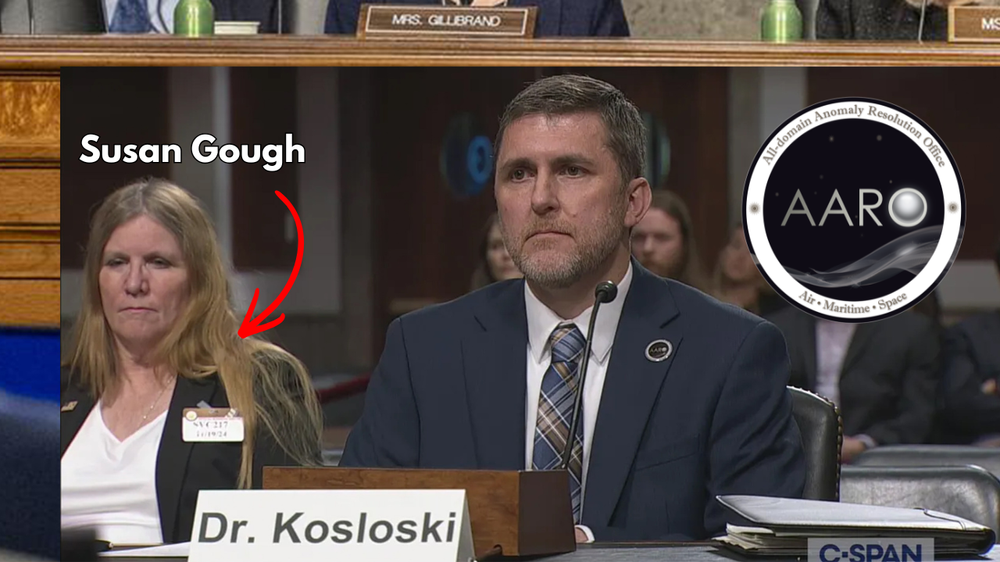
In August 2025, the Pentagon’s All-domain Anomaly Resolution Office (AARO) convened a private two-day workshop attended by around 40 researchers from government, academic institutions, and independent organisations. The meeting took place without prior public announcement and was self-funded by participants. The event aimed to address the fragmented nature of unidentified aerial phenomena (UAP) reports, which currently derive from diverse sources such as military logs, civilian testimony, and social media, none of which are systematically comparable. According to a 17-page whitepaper published by AARO in early 2026, the workshop sought to create standardised reporting templates, enhance data-sharing protocols between military and civilian entities, and employ artificial intelligence technology to manage the growing volume of UAP reports. The whitepaper also hinted that these efforts might influence future deployment of physical sensors, potentially impacting what evidence is recorded.
Notably, the disclosure of the workshop coincided with the February 2026 UAP Detection and Tracking Summit, where prominent figures—including Congressman Eric Burlison and researcher Ryan Graves—expressed deep reservations about handing civilian UAP data to the Department of Defense or AARO. Organiser Reed Summers advocated for a decentralised, internationally governed civilian network free from government control. The rising caseload managed by AARO now exceeds 2,000 reports, roughly half of which lack sufficient data for meaningful analysis. While AARO is reportedly reaching out with funding offers to some research groups, concerns persist over the lack of public oversight and potential government monopoly on critical UAP information. Efforts presented at the summit included low-cost, distributed sensor networks and acoustic detectors designed for underwater anomaly identification, some already in limited deployment. Graves highlighted the ongoing reluctance among professional pilots to officially file UAP reports due to fear of career repercussions, underscoring the incomplete nature of current data.
This development fits within a broader context of evolving UAP research paradigms, where civilian and international contributions have increasingly filled gaps left by official investigations historically constrained by secrecy and limited collaboration. AARO’s emergence followed years of Department of Defence transparency initiatives, yet the agency’s position as gatekeeper raises significant questions about data accessibility and independence. The triangulation of sensor technology, artificial intelligence, and standardised reporting could mark a methodological advance in UAP detection, but it simultaneously emphasises concerns around centralised control. Civilian researchers argue that a federated approach leveraging global citizen science resources would mitigate risks of selective data capture and foster wider participation in anomaly investigation. Given longstanding pilot reticence and the continued mystery surrounding many UAP encounters, diverse and transparent data collection remains crucial for advancing understanding in this contentious field.
Source: UFO News