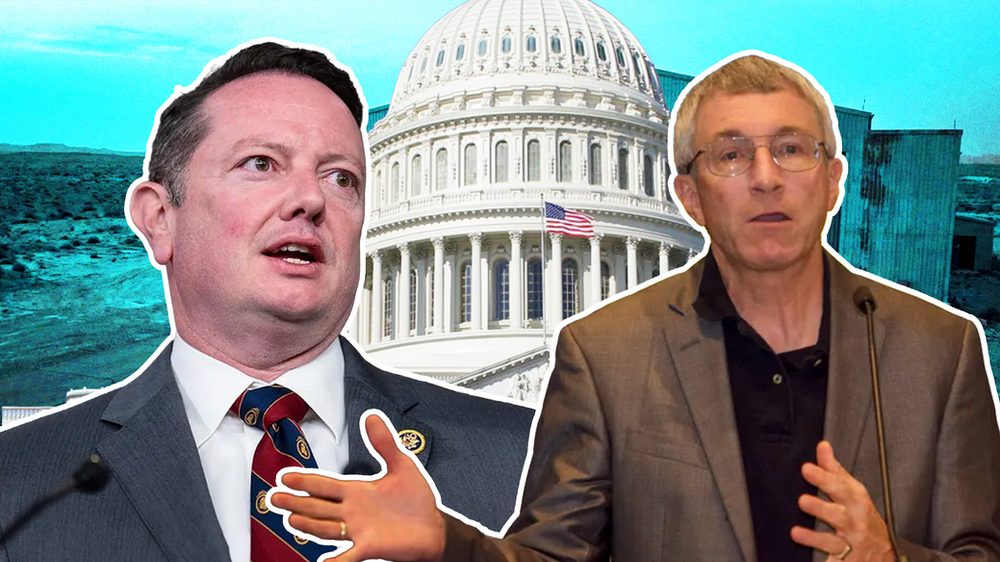
Representative Eric Burlison of Missouri disclosed in a recent interview that he was actively trying to reach retired Major General William Neil McCasland prior to the general’s sudden disappearance. McCasland is known for his documented connections to the unidentified aerial phenomena (UAP) topic, which has heightened interest in his vanishing. Burlison and whistleblower David Grusch both attempted to communicate with McCasland, but all their efforts were met with denials or refusals to discuss the matter. Burlison, speaking candidly about his classified site visits, stated he witnessed technology and physics phenomena that are beyond current US capabilities. His visit to Naval Air Station Patuxent River was White House approved, and he confirmed the existence of a hangar linked to advanced materials transfers, previously described in testimony by former Pentagon official Lue Elizondo. The hangar, though empty, reinforced suspicions about covert operations involving advanced technology.
Key details from Burlison’s interview include his assertion that he experienced an ontological shock upon witnessing evidence of advanced physics, confirming this material is not accessible to the public. The hangar at Patuxent River is tied to operations between Lockheed Martin and Robert Bigelow Enterprises, a transfer reportedly blocked by CIA interference. David Grusch also expressed serious safety concerns, indicating that a significant number of individuals he interviewed during his investigation raised alarms about covert killings and unexplained disappearances associated with these programmes. Grusch himself reported personal intimidation and physical threats to his agency’s counterintelligence division. The story, while receiving some mainstream media attention, has not yet achieved the prominence many analysts argue it deserves given the implications for government transparency and national security.
The context of this development is significant within the broader UAP disclosure landscape, which continues to evolve amid growing congressional and state-level involvement. Burlison’s testimony and contacts highlight a pattern of resistance from certain military and intelligence elements to disclose potentially revolutionary technological findings. The history of advanced aerospace research involving Lockheed Martin and figures like Robert Bigelow underscores longstanding ties between private defence contractors and classified government projects. Notably, state legislatures have begun taking proactive roles in UAP research, with Connecticut, New Jersey, and Vermont advancing legislative measures for dedicated investigation and academic partnerships. This regional push reflects heightened public and political recognition of UAP phenomena as matters of legitimate scientific inquiry and national security rather than fringe conjecture. As this issue unfolds, the fate of figures like General McCasland may become pivotal in understanding the opaque structures controlling UAP information.
Source: UFO News