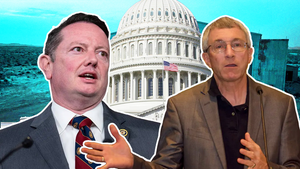
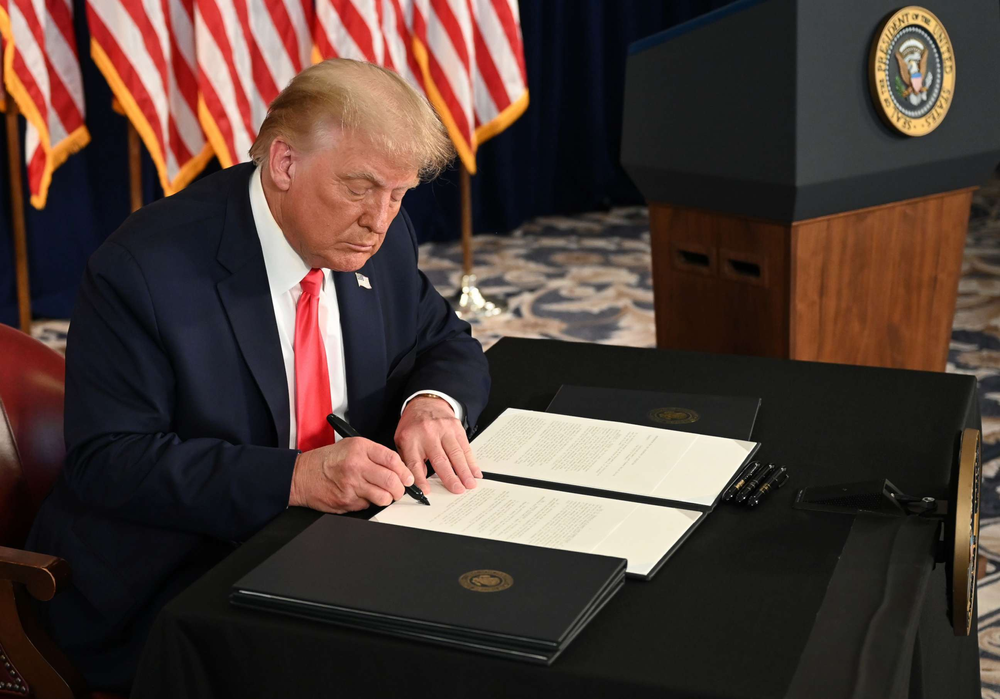
This week, two notable developments occurred in the ongoing government handling of unidentified aerial phenomena (UAP). Tennessee Congressman Tim Burchett, a House Oversight Committee member, publicly accused NASA of possessing classified UFO material while denying it publicly. Burchett revealed that during private meetings with NASA officials, he was informed that the agency had studied UAP and held classified documents it was not authorised to disclose. NASA, however, has consistently maintained a policy of transparency, denying these claims. Concurrently, without announcement or explanation, the White House registered two new federal government domains—alien.gov and aliens.gov—through the Cybersecurity and Infrastructure Security Agency (CISA). These domains currently lead to no active websites, and official statements have been limited to a cryptic “stay tuned” and the use of an alien emoji.
Burchett’s accusations present a direct contradiction to NASA’s public narrative, raising questions about transparency within one of America’s leading scientific agencies. When pressed, NASA deferred to a statement from its press secretary reaffirming its commitment to making data publicly accessible, and the new NASA Administrator mentioned unexplainable phenomena linked to expensive programmes rather than extraterrestrial activity. Burchett suggested the existence of a culture of fear among knowledgeable individuals, fearing not only legal repercussions but unspecified severe consequences, echoing warnings from earlier whistleblowers like Michael Herrera and reports by researchers such as Matthew Brown. Additionally, the registration of the alien.gov and aliens.gov domains during a government funding lapse—a time when new .gov domains are generally not granted—raises questions about the urgency and intent behind these registrations. Neither the Pentagon nor the White House has clarified whether these domains signal a change in official UAP communication or investigation strategies. The Defence Department’s All-domain Anomaly Resolution Office (AARO), responsible for UAP cases, currently manages over 2,000 active investigations, making any new public-facing website significant in potential government disclosure efforts.
These recent events fit within a broader context marked by increased government attention to UAP since the rebranding of the Pentagon’s UAP Task Force as AARO in 2022. Historically, UFO studies were confined to defence intelligence and space agencies under a veil of secrecy, fostering a culture where whistleblowers faced institutional, social, and sometimes personal reprisals. NASA's admission of encountering inexplicable phenomena linked to costly projects rather than alien craft aligns with a longstanding pattern of agencies distinguishing technological or classified military activities from extraterrestrial explanations in public discourse. The registration of domains specifically referencing aliens at a federal level may indicate an official shift toward centralised public engagement or repository development, analogous to recent moves by defence entities to normalise discussion of UAP. This coincides with political pressures for disclosure initiated in recent years and growing public interest spurred by high-profile congressional hearings. The opaque response from authorities and the timing of these domain registrations invite closer scrutiny of federal intentions and the future accessibility of UAP information to the public.
Source: UFO News