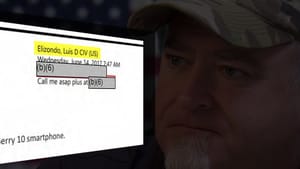
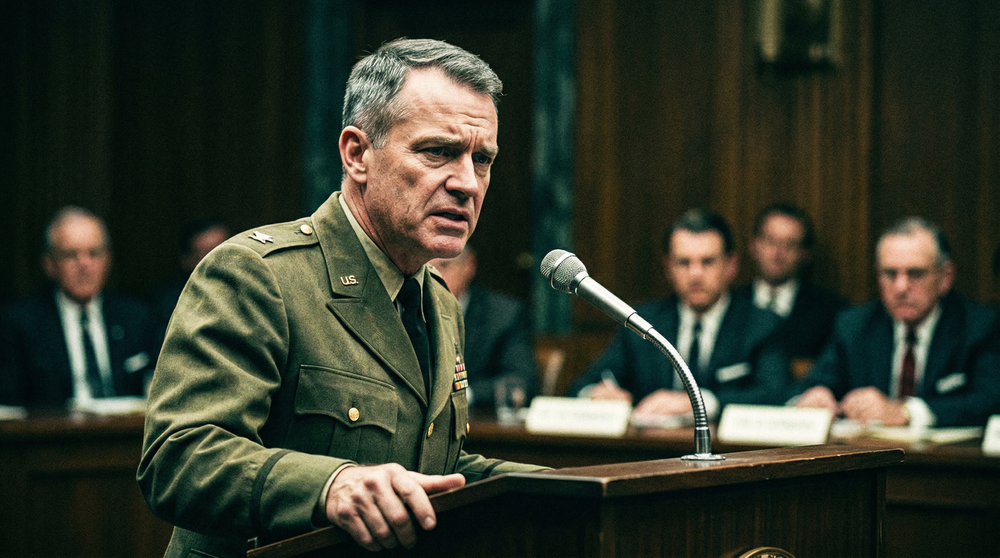
Tennessee Congressman Tim Burchett recently revealed in a Newsmax interview that he attended a classified meeting where he was told that even the president of the United States is only granted access to Unidentified Aerial Phenomena (UAP) programmes on a strict need-to-know basis. As a member of the House Oversight and Foreign Affairs Committees with multiple security clearances, Burchett stated the secrecy surrounding UAP research is deeply entrenched, structured to outlast any four-year presidential term. He referenced a briefing received a fortnight prior which allegedly contained information of such magnitude that its public release would have caused national upheaval and widespread demands for disclosure. Burchett also touched on claims by former Congressman Matt Gaetz regarding briefings on “captured nonhuman beings” linked to UAP programmes, though he refrained from detailing these assertions. Notably, Burchett mentioned a disturbing pattern of individuals with knowledge of UAP projects dying or vanishing under mysterious circumstances, emphasising he has no intention of meeting a similarly untimely end.
Further insight came from Dr Anna Brady-Estevez, a Yale-trained scientist and former National Science Foundation (NSF) programme director, who discussed her experience on the Reality Check podcast. Brady-Estevez revealed that during her NSF tenure she organised government science meetings in late 2024 and early 2025 which placed UAP phenomena alongside topics such as US launch capabilities, satellites, artificial intelligence, and space manufacturing on the official agenda. At these events, a speaker claimed firsthand interaction with what was described as nonhuman technology, a claim which Brady-Estevez found credible. This convergence of UAP research with mainstream technological and scientific priorities underscores a shift from fringe to serious governmental attention. However, the extreme secrecy and compartmentalisation reported by Burchett highlight ongoing barriers to transparent public understanding of these programmes.
The discussion of UAP secrecy fits into a broader context of recent governmental and military engagement with anomalous aerial phenomena. Since the Pentagon’s 2020 UAP Task Force disclosures, there has been increased official acknowledgment of incursions by UAPs, though explanations remain elusive. The compartmentalisation described by Burchett—where even the president is “need-to-know”—is consistent with known practices around highly sensitive US defence projects, often justified by national security concerns or protection of advanced technology sources. Claims from officials of captured nonhuman technology, while extraordinary, echo longstanding themes within UFO lore dating back to mid-20th century Cold War contact narratives, now intersecting with emerging scientific discourse, as shown by Brady-Estevez’s role. This evolving interplay between classified programmes, military prudence, and scientific inquiry continues to fuel both speculation and demand for greater disclosure in the public sector.
Source: UFO News