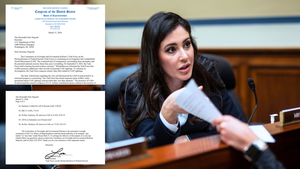

Newly released Freedom of Information Act records reveal that on March 6, 2024, the Pentagon held an embargoed, invite-only media round-table to brief a small group of journalists on the first volume of the congressionally mandated Historical Record Report on U.S. government Unidentified Anomalous Phenomena (UAP) programs. The invitation email, sent by Pentagon spokesperson Susan Gough, specified strict terms including an embargo until the report’s public release on March 8 and limited attendance to one representative per media outlet. Participants included reporters from The New York Times, CNN, Politico, and The Washington Post, among others. Redactions in the distribution list suggest additional unidentified invitees, possibly journalists or government personnel, attended.
The Department of Defense confirmed the invitation was the sole responsive document under FOIA case 24-F-0895 and emphasized the round-table as an “invited-media” event with participation contingent upon embargo agreement. Unlike more open Pentagon briefings, this session restricted attendance, off-the-record planning conditions, and off-camera discussions, underscoring a tightly controlled information release. The use of direct email invitations and an embargo aimed to manage media coverage ahead of the report’s release while maintaining confidentiality of attendees. The previously published transcript of the event partially identified participants, but the FOIA release clarifies the selection process and access limitations.
This briefing highlights ongoing tensions around transparency in government handling of UAP-related information. The Historical Record Report was legislated to address bipartisan concerns about secrecy, oversight, and public clarity on decades of UAP programs. Despite framing this report as a move toward openness, the selective, embargoed media approach reveals persistent caution in disseminating information. Control over who accesses sensitive content speaks to broader institutional challenges in balancing public accountability with national security and privacy considerations. The FOIA disclosures provide valuable insight into how the Pentagon manages information flow on a historically controversial and publicly significant topic.
Source: The Black Vault