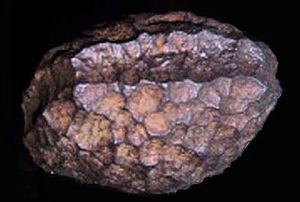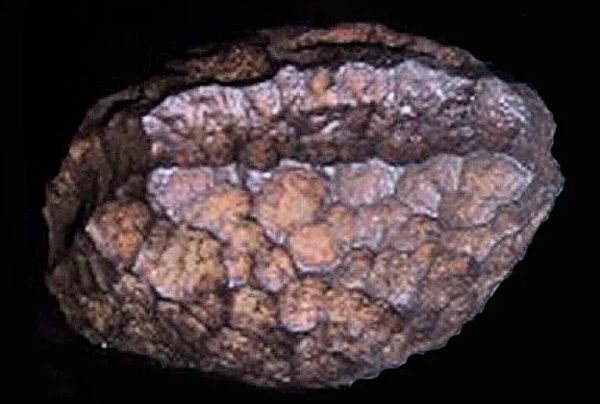
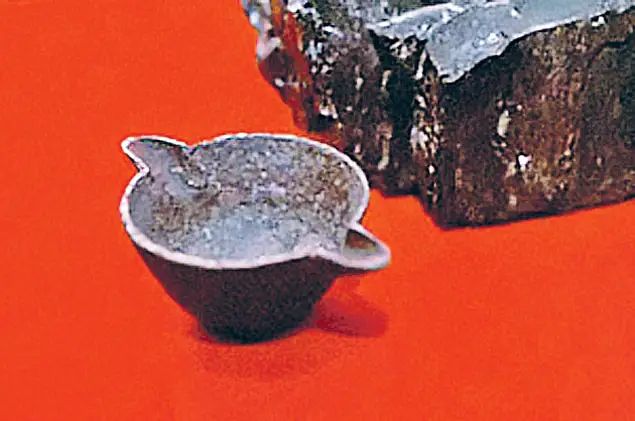
In 1912, Frank J. Kennard discovered a small iron cup embedded within a solid chunk of coal in Wilburton, Oklahoma. Kennard reported breaking the coal with a sledgehammer at a municipal electric plant in Thomas, Oklahoma, when the iron pot fell out, leaving an impression mould in the coal. The coal from the Wilburton mines is estimated to be approximately 300 million years old, dating back to the Carboniferous period. The discovery was witnessed by a plant employee, Jim Stall, lending some contemporaneous credibility to the event. Despite this testimony, the actual iron cup has since vanished, and no physical evidence remains. This has led to ongoing debate over the authenticity and significance of the find within both sceptical and adherent circles.
Further details surrounding the artefact remain scarce, relying mainly on Kennard’s account. Skeptics note the absence of scientific analysis or documentation beyond the personal testimony, which undermines its credibility. One viable explanation offered points to geological and mining conditions: water saturated within the mine may harden and trap objects, leaving the appearance of embedding in coal. Mark Isaac, who analysed the claim, suggests the cup resembles a cast iron pot typical from the eighteenth century onwards, likely used in metalwork such as casting bullets or molten metals. Considering cast iron technology is far younger than the purported age of the coal, this implies the cup could not have been formed contemporaneously with the Carboniferous coal formation. The uncertainty is compounded by the disappearance of the object, preventing modern forensic or metallurgical examination that could clarify its origin and age.
This case fits within a broader category of anomalous artefacts often cited in discussions of ‘out-of-place’ findings, which challenge accepted historical and archaeological timelines. These objects frequently appear embedded in geological formations much older than known human history, provoking theories ranging from natural explanations to fringe hypotheses involving ancient civilisations or extraterrestrial intervention. Wilburton, situated within the coal-rich Appalachian basin region, has a long history of mining activities, adding context to how modern objects could become trapped in or confused with ancient deposits. Mainstream archaeological frameworks dismiss such occurrences as misinterpretations, contamination, or hoaxes, especially given the lack of rigorous documentation. Nevertheless, the enduring fascination with such discoveries reflects a willingness to question established narratives and highlights the challenges of interpreting fragmented evidence within the field of Forteana and anomalous phenomena.
Source: Ancient Code