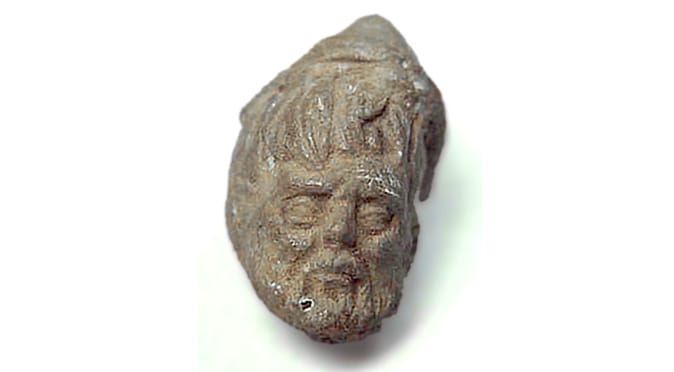
In 1933, a distinctive terracotta head, now known as the Tecaxic-Calixtlahuaca head, was excavated from the Calixtlahuaca archaeological site in the Toluca Valley, central Mexico. The site itself is primarily linked to pre-Hispanic cultures, notably the Aztec and their predecessors, dating from approximately 300 to 900 CE. This particular artefact is unusual due to its stylistic resemblance to Roman figures from antiquity, prompting debate about its origin and the possibility of transoceanic contact between Romans and ancient inhabitants of the Americas. The head was found within a funerary context, alongside more conventional Mesoamerican artefacts, suggesting its integration into local burial practices. Since its discovery, the object has been subject to various academic examinations, yielding inconclusive and at times contradictory interpretations. The artefact currently resides in a Mexican museum, where it continues to attract attention for its enigmatic provenance.
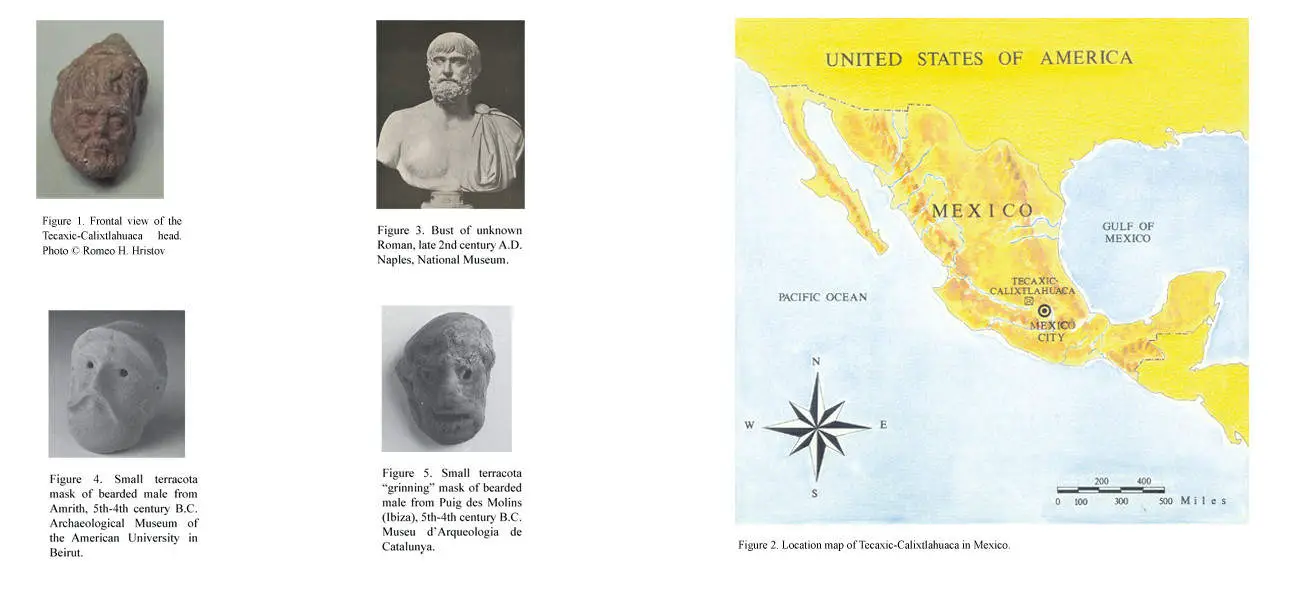
Witness accounts and scholarly investigations have highlighted specific features of the head that resemble Roman portraiture, such as the hair style and facial characteristics, which are uncommon in pre-Hispanic Mexican artefacts. Radiocarbon dating of associated burial materials supports a timeline roughly contemporaneous with late Roman antiquity, although the context has been questioned for potential site disturbances. Some sceptics propose it might be a modern intrusion or a forgery introduced in the 20th century, while others argue for a genuine, ancient presence of Roman goods or cultural influence, possibly through indirect trade networks. Photographic evidence and excavation records from 1933 provide some support for the artefact’s authenticity, but gaps in the documented provenance allow room for doubt. The significance of the Tecaxic-Calixtlahuaca head lies in its potential to alter established narratives about pre-Columbian contacts and the extent of Roman exploration or trade.
Contextually, the notion of Roman artefacts appearing in pre-Hispanic Mexico challenges established historical and archaeological consensus. Known transoceanic interactions during antiquity were primarily concentrated in the Old World, with the Americas considered isolated prior to the Viking expeditions and European colonisation. Regional folklore in the Toluca Valley does not mention early European contact, diminishing the likelihood of Roman presence through oral traditions. However, some theories suggest Romans could have reached the Americas via the Atlantic, intentionally or through shipwreck, though no other corroborative artefacts have emerged to support this. The Tecaxic-Calixtlahuaca head’s archaeological setting contrasts markedly against mainstream Mesoamerican ceramic styles, offering a rare glimpse of possible cross-cultural encounters or influences. This case remains a pivotal study in the broader field of Fortean phenomena and pre-Columbian transoceanic contact hypotheses, underscoring the need for rigorous interdisciplinary research to resolve its enduring mystery.
Source: Ancient Code