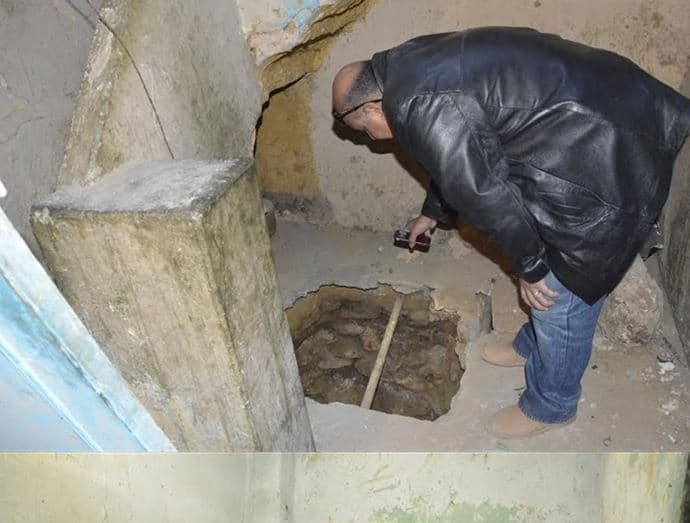
A previously unknown tunnel leading directly to the Great Pyramid of Giza has been discovered by a local resident near the Giza Plateau. The discovery occurred in March 2026 during an unauthorised excavation beneath the individual's home, approximately 10 metres below ground level. The tunnel was found to be constructed from large stone blocks and appears to connect the pyramid, the tallest of the trio known as the Pyramid of Khufu, with a nearby temple complex. Authorities quickly intervened when the individual fled the site, highlighting the legal restrictions around digging near such a significant heritage site. Archaeologists and officials are now focusing on further exploration to understand the tunnel’s purpose and the spaces it connects. The find marks a rare breakthrough in the ongoing archaeological study of the Giza pyramid complex, where many attemps have thus far failed to locate connecting structures beyond surface ruins.
Key details about the tunnel indicate it may be part of an ancient causeway, which accounts given by the Greek historian Herodotus seem to describe. The tunnel’s large stone walls and the complexity of the construction suggest it may have been used to link the pyramid directly to the Temple of Cheops, the mortuary temple associated with Khufu’s pyramid, thought to be situated near the Nile River. This passageway would have facilitated processional activities and transport between the pyramid and temple. However, the fact that the tunnel was discovered beneath a modern village raises numerous questions regarding the preservation and coverage of the original archaeological landscape. Local reports and officials describe the digging as illegal and dangerous, emphasising the tension between modern habitation and heritage preservation. The precise length and full extent of the tunnel have yet to be fully documented, but initial findings make this one of the most significant structural revelations connected to the Great Pyramid in recent decades.
The discovery must be understood within the broader archaeological and historical context of the Giza Plateau, a site extensively studied yet still yielding new insights into Ancient Egyptian construction and ritual practices. The Great Pyramid itself was built around 2560 BC and has long been admired for its architectural precision and symbolic significance. Herodotus’ accounts, though written centuries later, remain crucial for hypothesising the layout of the pyramid complex, describing a kilometer-long causeway made from carved stone slabs linking the burial site to the adjacent temple. Such a feature would facilitate the movement of stones during construction as well as ritual processions for funerary ceremonies. Finding a subterranean tunnel that fits this description adds weight to these ancient texts and opens paths for further investigation into the labour, religious activities, and urban layout of the original complex. Moreover, it underscores the persistent challenges in protecting and excavating sites that coexist with modern settlements, highlighting the need for careful and legal archaeological practices to fully appreciate these monumental legacies.
Source: Ancient Code