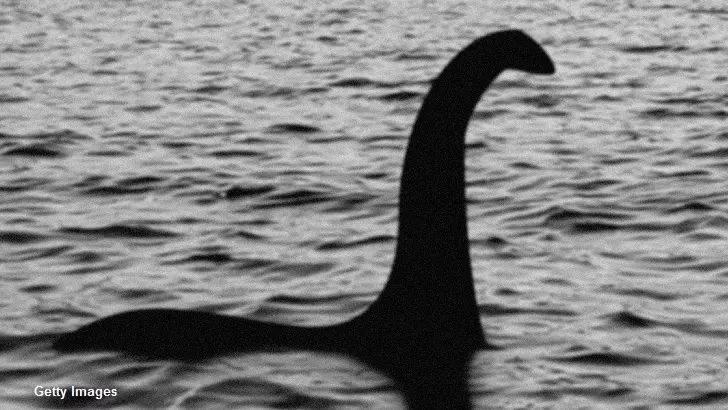
An American tourist visiting Loch Ness in Scotland has been credited with the first official sighting of the Loch Ness Monster for the year 2026. The sighting occurred in late January when the tourist, whose identity has not been publicly disclosed, reported observing a large, unidentified aquatic creature beneath the waters of the loch. The location of the sighting was near the northern shore, close to the small village of Dores. The report was submitted to local authorities and Loch Ness Centre investigations promptly after the event. This sighting marks the earliest official Nessie report of the year, although readers will remember a similar sighting that Stranger Times reported on which took place on 14th January 2026, and continues the long tradition of alleged monster sightings that date back to the 1930s. The timing is notable as the tourist’s account coincides with a renewed interest in Loch Ness investigations both by amateurs and professional teams.
Key details from the sighting include the tourist describing a dark, elongated shape moving slowly just below the water’s surface. The witness stated that the creature’s movement was unlike known loch wildlife, such as seals or otters. Despite varied weather conditions, visibility was reported to be relatively good, with light overcast skies aiding the observation. Local experts and the Loch Ness Centre noted that no photographic evidence was provided, which aligns with many previous reports wherein sightings were made but not visually documented. There were no contradictory reports from others in the vicinity, though it remains challenging to verify single-witness accounts given the absence of physical evidence. The significance of this sighting lies in its contribution to the ongoing phenomenological record of speculative cryptid activity in the loch, sustaining interest and prompting further systematic monitoring.
Loch Ness has long been a focal point for cryptozoological research and folklore, with the monster popularly known as "Nessie" entrenched in Scottish cultural identity. Regional folklore suggests a water-dwelling creature resembling a plesiosaur, though scientific investigations have consistently failed to produce conclusive evidence. Sightings often correspond with environmental and cultural factors, with some explanations attributing reports to misidentified wildlife, floating logs, or wave patterns caused by boats. The persistence of Nessie sightings highlights the interaction between human perception and the mysterious environment of the loch, compounded by its considerable depth and turbid waters. In recent years, technological advances such as sonar and underwater drones have been employed to enhance search efforts, although definitive proof remains elusive. The tourist’s 2026 sighting adds to the layered narrative surrounding Loch Ness, underscoring both the enduring allure of the monster and the challenges inherent in verifying such phenomena within established scientific frameworks.
Source: Coast to Coast