
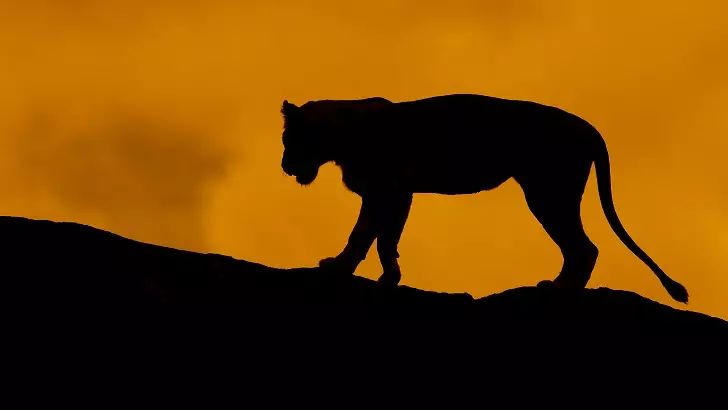
A recent sighting of a large feline resembling a puma has been reported in the Scottish Highlands, renewing interest in the phenomenon of big cat sightings in the UK. The encounter took place in early April near the village of Aviemore, where a local resident described seeing a large, tawny-coloured cat with a long tail and muscular build. The witness, an experienced hiker, was reportedly close enough to observe distinctive features such as the animal’s pointed ears and sharp gaze before it retreated into the undergrowth. This sighting adds to a series of reports from the region, where elusive, non-native big cats have allegedly been spotted over recent decades. Local authorities have acknowledged receiving multiple calls about mysterious large cats but have not confirmed any official presence. This incident has once again sparked debate among wildlife experts, cryptozoologists, and sceptics alike.
Detailed accounts of big cat sightings in Scotland have been frequently reported since the 1980s, though verifiable evidence remains scarce. Witnesses commonly describe large felids resembling pumas, leopards, or lynxes in remote or wooded areas. The Aviemore sighting aligns with this pattern, with the witness’s description matching previous reports of puma-like features, including body shape and colouring. Despite repeated searches, no physical evidence such as tracks, fur samples, or clear photographs has conclusively validated these claims. The difficulty in definitive identification is compounded by the potential for misidentification of native species such as large domestic cats, foxes, or dogs, particularly in poor light or at distance. Some analysts suggest that escaped exotic pets from private collections could account for sporadic appearances, though escapes are rarely documented. The significance lies in the persistence of these reports, which suggest there may be unknown variables or unreported animals in the wildlife of the UK, challenging conventional zoological understanding.
The topic of ‘British big cats’ sometimes called ‘phantom cats’ is deeply embedded in UK folklore and modern folklore studies. These animals are generally thought to be non-native species, separate from the confirmed presence of wildcats (Felis silvestris) native to Scotland, which are smaller and more elusive. Theories about their origins include escapees from exotic pet collections following the 1976 Dangerous Wild Animals Act, which tightened regulations and may have led to deliberate releases. In Scotland specifically, the rugged terrain and extensive forested areas offer suitable refuge for a hardy big cat species, if present. Big cat sightings typically peak in spring and autumn when animals are most active. Despite a lack of official evidence, the sightings have inspired extensive local folklore and appear regularly in wildlife surveys and cryptozoological research. Understanding these reports involves examining the intersection of natural history, legal frameworks on animal ownership, and cultural narratives about mystery predators in the British countryside.
Source: Coast to Coast