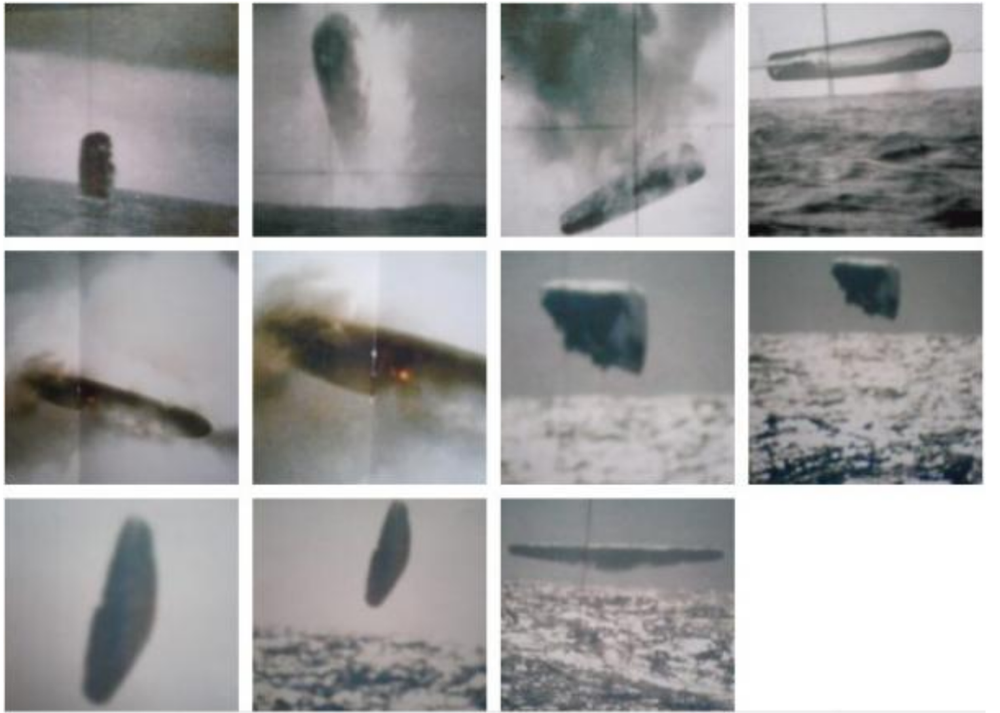
In March 1971, the United States Navy submarine USS Trepang (SSN-674), a Sturgeon-class attack vessel, reportedly captured images of unidentified flying objects near the Arctic Ocean. The incident occurred between Iceland and Jan Mayen Island, a Norwegian territory primarily used for meteorological and military purposes. The encounter was accidental, taking place during a routine joint military and scientific mission. The initial sighting was made by officer John Kilika, who spotted the objects using the submarine’s periscope. These images have since been released by researcher Alex Mistretta and shared via the archive known as The Black Vault. The photographs depict unusual aerial phenomena and have sparked considerable interest within the UFO research community as potential evidence of extraterrestrial activity in a remote and strategically significant area.
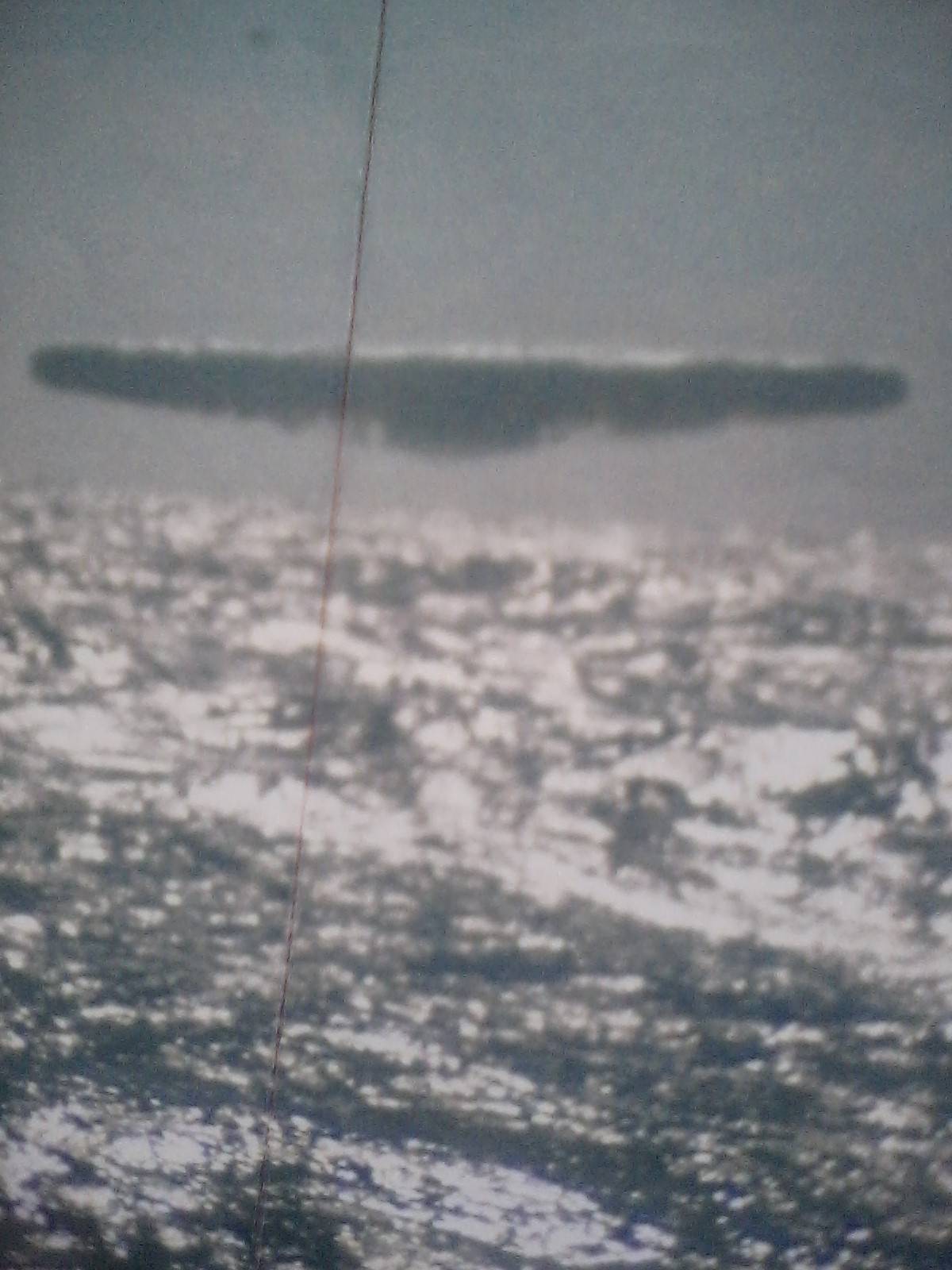
The images show what appear to be large, unidentified craft beneath or near the ocean’s surface, an unusual phenomenon given the Arctic’s harsh environment and limited human activity. Eyewitness testimony is limited but suggests a close encounter scenario, with the objects seemingly undeterred by the presence of the USS Trepang. Skeptics have noted some resemblance between the objects and visual effects from science fiction films, such as “Battleship,” though no official Navy report has dismissed or confirmed the authenticity of the sightings. The lack of additional corroborating sensors or official statements leaves the incident largely unexplained, contributing to its mystique. The Arctic location adds significance, as it is a region of strategic military importance and scientific interest, with challenging conditions that are not conducive to routine aerial visits by unknown craft. The USS Trepang images remain one of the better-documented military encounters with unidentified aerial phenomena from the Cold War era.
Contextually, this case fits within a broader pattern of naval UFO incidents during the late 20th century when military forces operated amid heightened Cold War tensions and increased scrutiny of aerial incursions. The Arctic and North Atlantic were strategic zones where both U.S. and Soviet forces maintained vigilance, making reports from this region particularly compelling. Sturgeon-class submarines like the USS Trepang were equipped for covert tracking and reconnaissance, lending some weight to claims of unusual sightings. Historically, Arctic UFO phenomena include reported sightings of objects displaying unconventional flight characteristics or underwater manoeuvres, often linked in declassified documents to unidentified submerged objects (USOs). Given the military presence and technological capabilities of the era, these images and their associated reports contribute valuable data toward understanding unexplained aerial and underwater phenomena in naval contexts. They also fuel ongoing debate about the nature of such encounters and their implications for national security and potential extraterrestrial visitation.
Source: Ancient Code