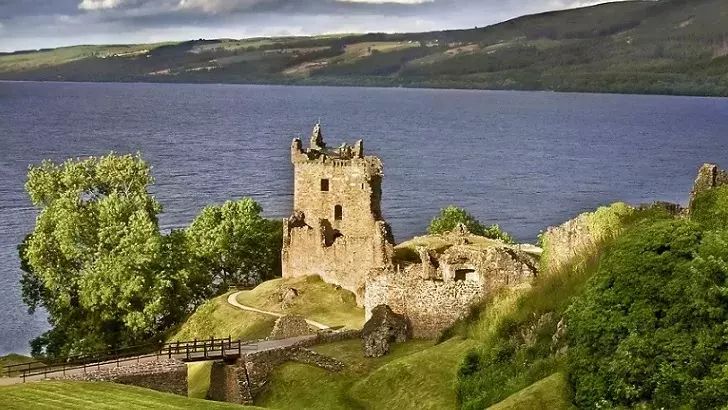
A marine exploration company has announced its participation in an upcoming search event targeting the Loch Ness area in Scotland. The initiative, scheduled for later this year, aims to employ advanced technological equipment to re-examine the depths of the loch. This expedition follows a series of previous searches in the region that have generated varied public and scientific interest since the early 20th century. The loch, located in the Scottish Highlands, is renowned for its association with the legendary cryptid known as the Loch Ness Monster or Nessie. Organisers of this event intend to bring fresh expertise and tools to enhance the likelihood of detecting unusual underwater activity or uncovering evidence relevant to longstanding claims. The involvement of a professional marine exploration firm suggests a more methodical approach compared to some earlier efforts.
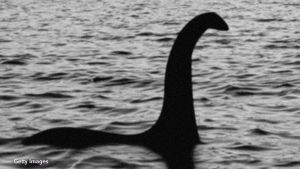
Details concerning the company’s specific technology or strategy remain limited, though it is expected that sonar mapping and underwater drone technology will play central roles. Witness accounts historically describe sightings of large, unidentified aquatic creatures often characterised by a long neck and humps, sparking considerable local folklore as well as serious speculation. Previous scientific investigations, including sonar scans and underwater photography, have thus far yielded inconclusive results, and many images captured have been subject to debate and scepticism. The new search hopes to address past gaps by employing higher resolution devices and more extensive underwater coverage. Yet, contradictions persist in the various testimonies, with some observers reporting quick, fleeting glimpses and others claiming prolonged encounters, complicating verification efforts. The significance of the event lies not only in its attempt to substantiate or refute Nessie’s existence but also in its potential to advance underwater surveying methodologies in a notoriously challenging environment.
The Loch Ness Monster remains one of the most famous cryptids globally, intertwined with Scottish cultural identity and tourism. Since the 1930s, when the modern phenomenon gained international attention, Loch Ness has been the subject of intermittent scientific and amateur scrutiny. The ecology of Loch Ness, a large freshwater body formed during the last Ice Age, offers both opportunities and difficulties for cryptozoological investigation; its great depth and murky waters conceal much from direct observation. Historically, local folklore spoke of water horses and lake spirits, motifs common in Celtic mythology which may have influenced modern interpretations of Nessie. The loch has attracted researchers, including biologists and sonar specialists, attempting to differentiate natural phenomena such as sturgeon or seals from purported monster sightings. The forthcoming expedition reflects a continued dedication to applying cutting-edge marine sciences to unravel one of cryptozoology’s enduring mysteries, balancing public curiosity with rigorous investigative standards.
Source: Coast to Coast